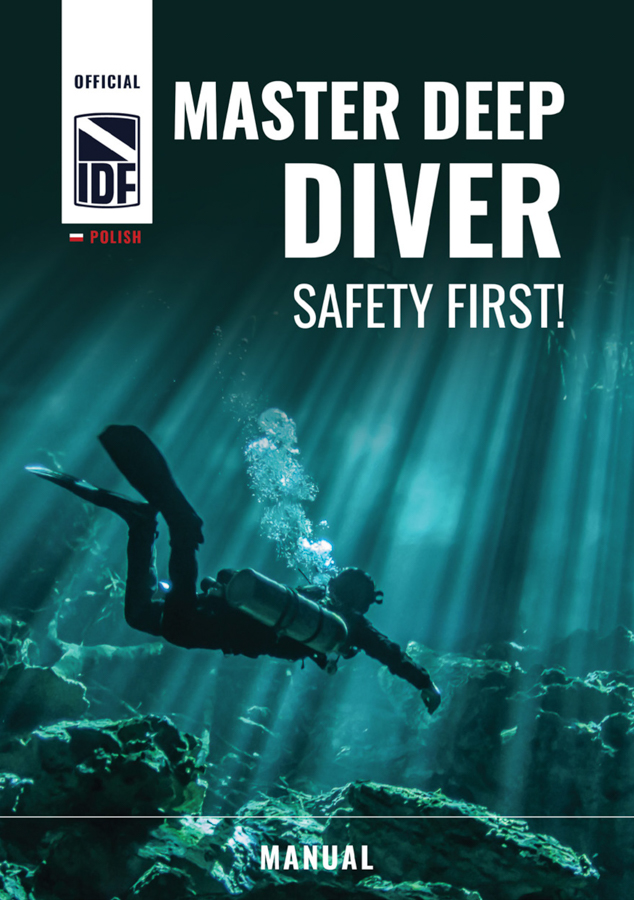
Master Deep Diver
Languages:
See publication



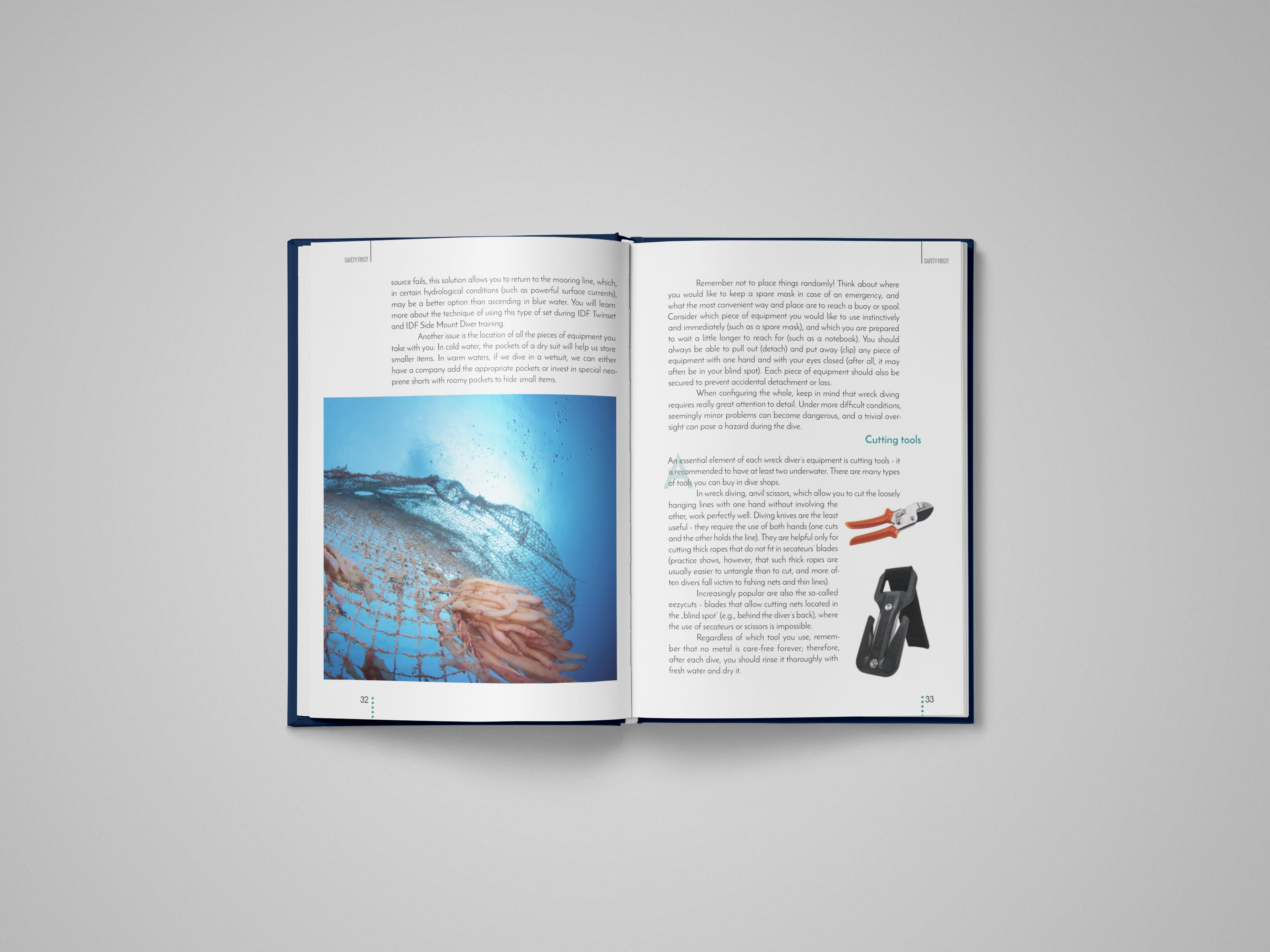
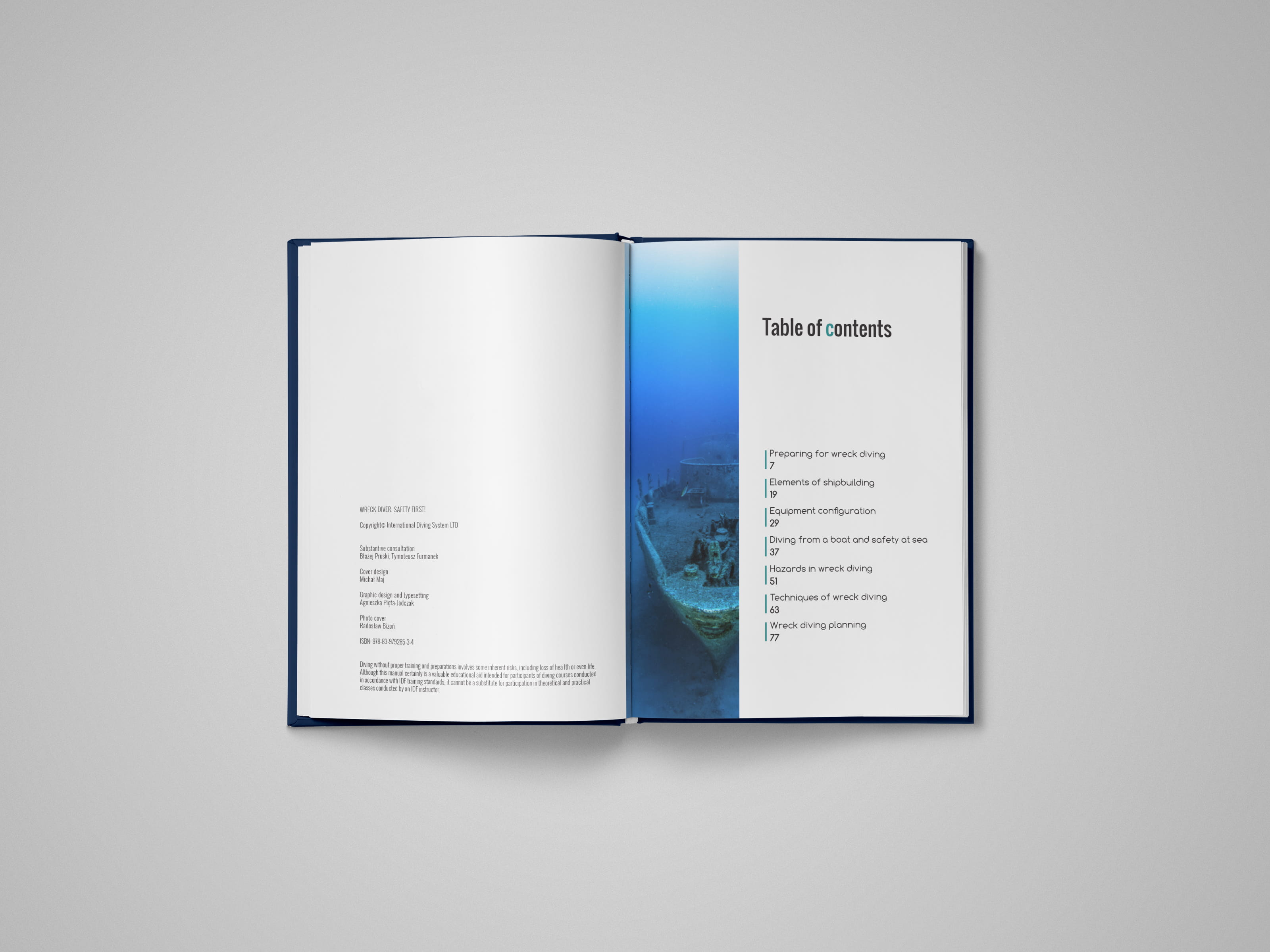
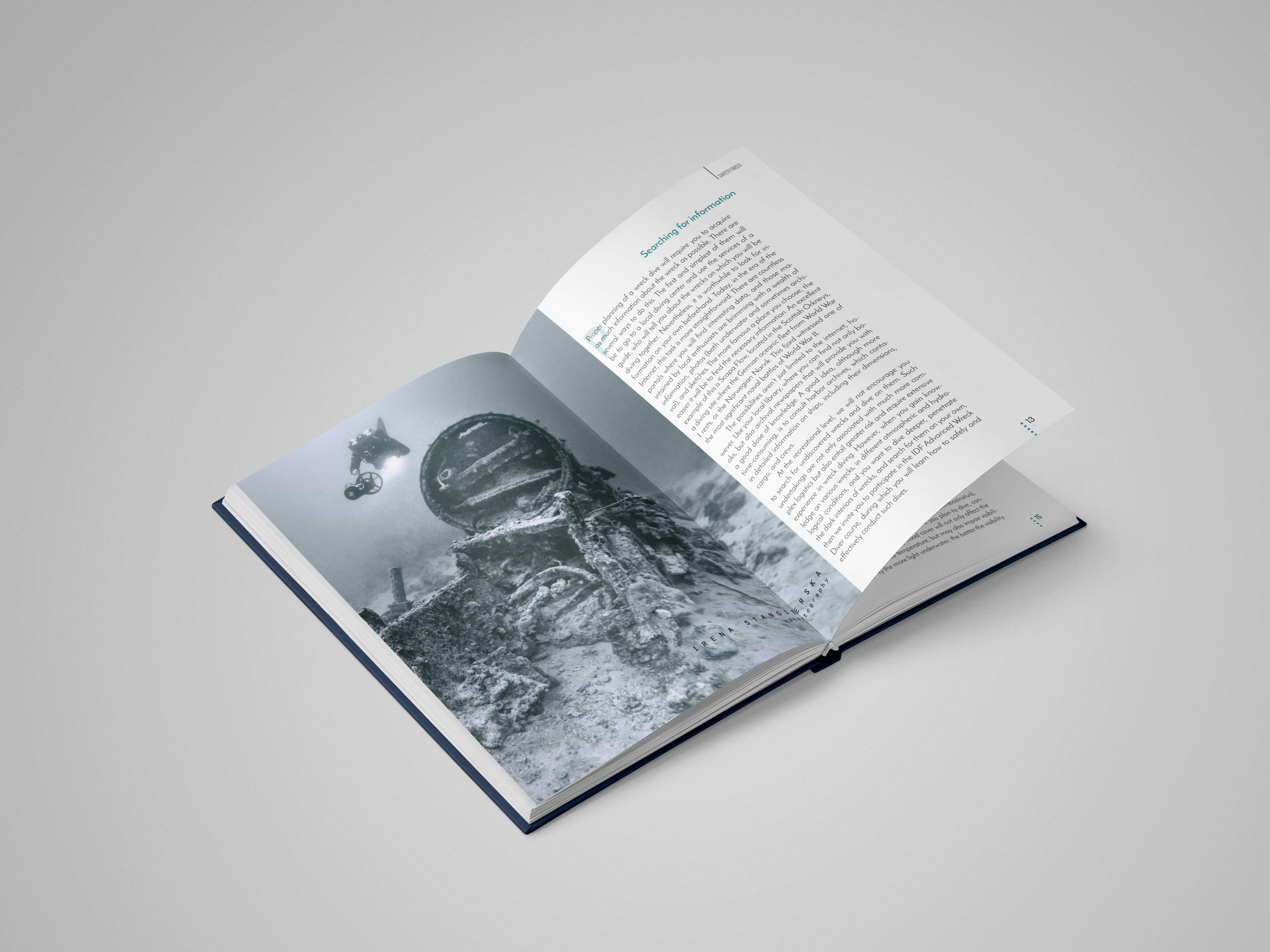

Wrecks have always attracted divers, seducing with a sense of time frozen in a single moment, like a fly caught in amber in prehistory. Small objects left on them, such as binoculars, suitcases, shoes, or porcelain, are silent witnesses to often tragic events, and the ship’s elements, such as a steering wheel or a bell, give each vessel a unique character.
Before you dive into the search for adventure on sunken ships, it’s essential to be adequately prepared for both underwater challenges and dive planning. Whether you intend to admire the Japanese navy in the warm waters of the Pacific, explore the ancient wrecks in the clear Mediterranean, or are drawn to the steel giants hidden in the cold waters of the northern seas, only proper preparation will allow you to enjoy diving safely. To set the stage, let’s explore the motivations that draw divers to wreck sites.
Wreck diving requires some knowledge and experience, and often also the ability to apply specialized techniques. During training, your main objectives will be to develop skills in handling reels and guidelines, master safe ascent methods for various conditions, identify and manage hazards unique to wreck diving, and become proficient in configuring your equipment for different environments. You will also be introduced to well-known wreck sites that captivate divers worldwide. Our ultimate goal is to ensure you are prepared to explore these fascinating sites safely and responsibly.