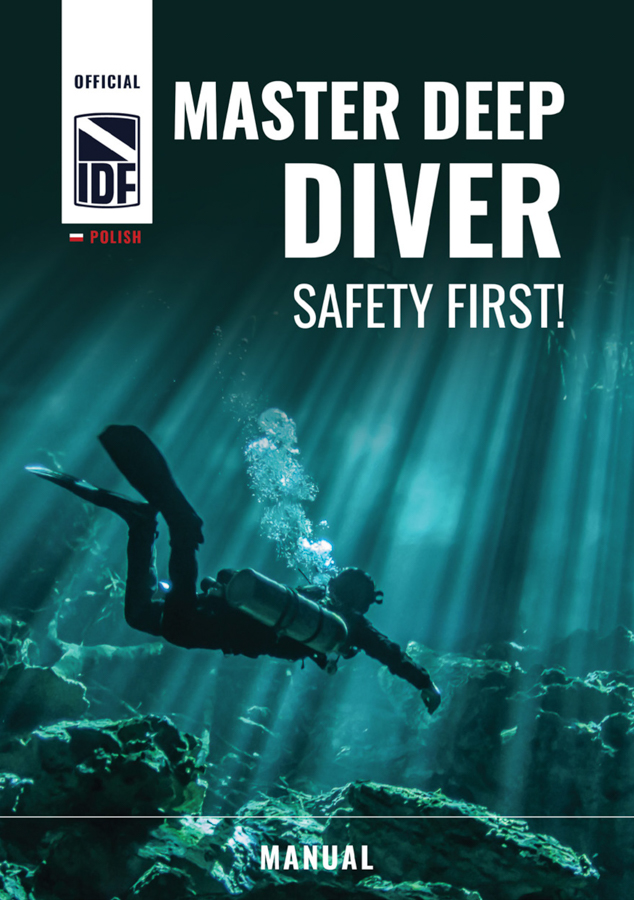
Master Deep Diver
Languages:
See publication




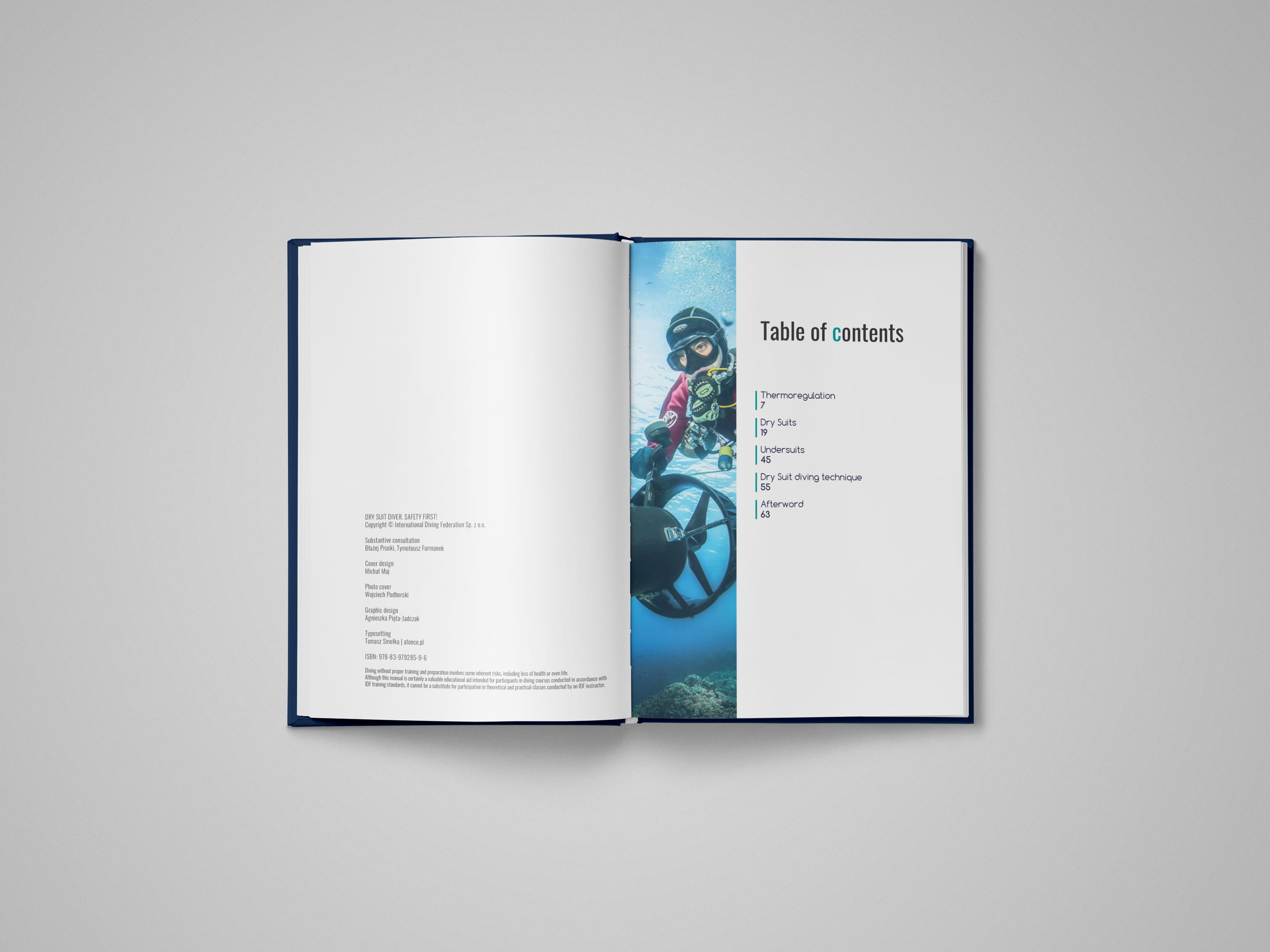
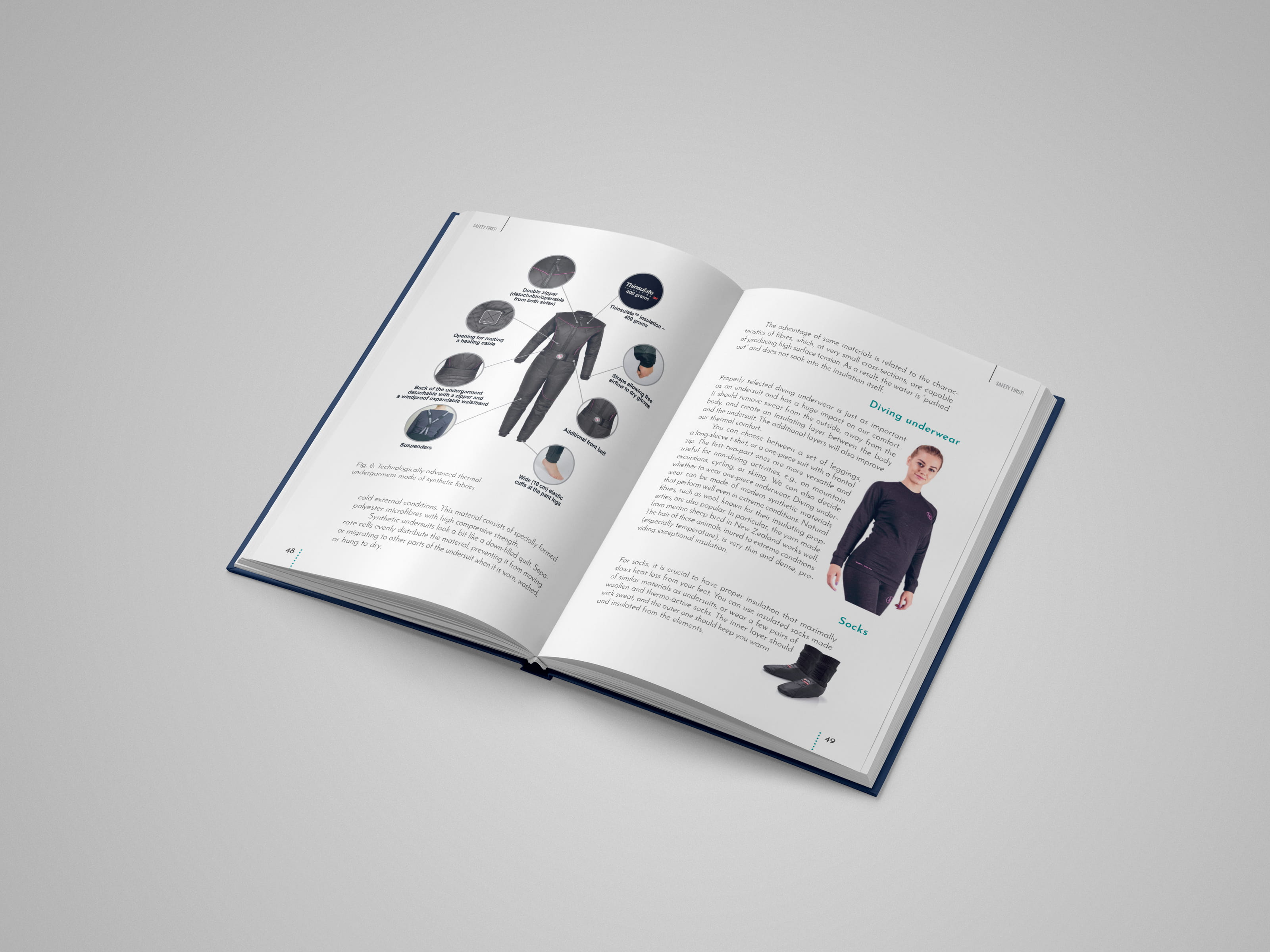
Thank you for joining the IDF Dry Suit Diver course. By the end of this course, you will be able to control your buoyancy confidently. You will also manage cold stress underwater and select dry suit gear that fits you well. This manual is your roadmap. It guides you through the skills and knowledge you need as a dry suit diver.
To help you focus your learning, here are the key objectives you should master by the end of this course:
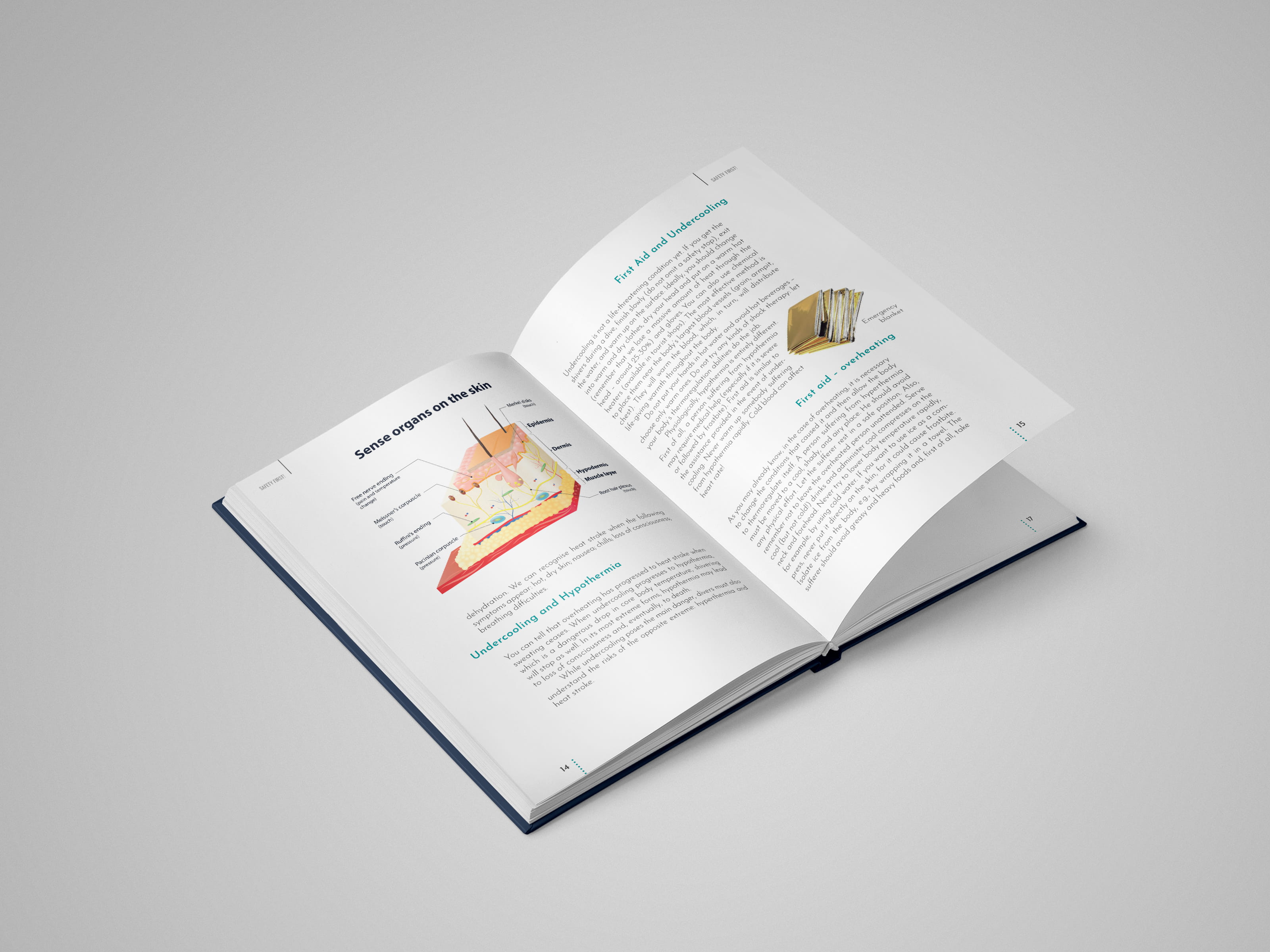
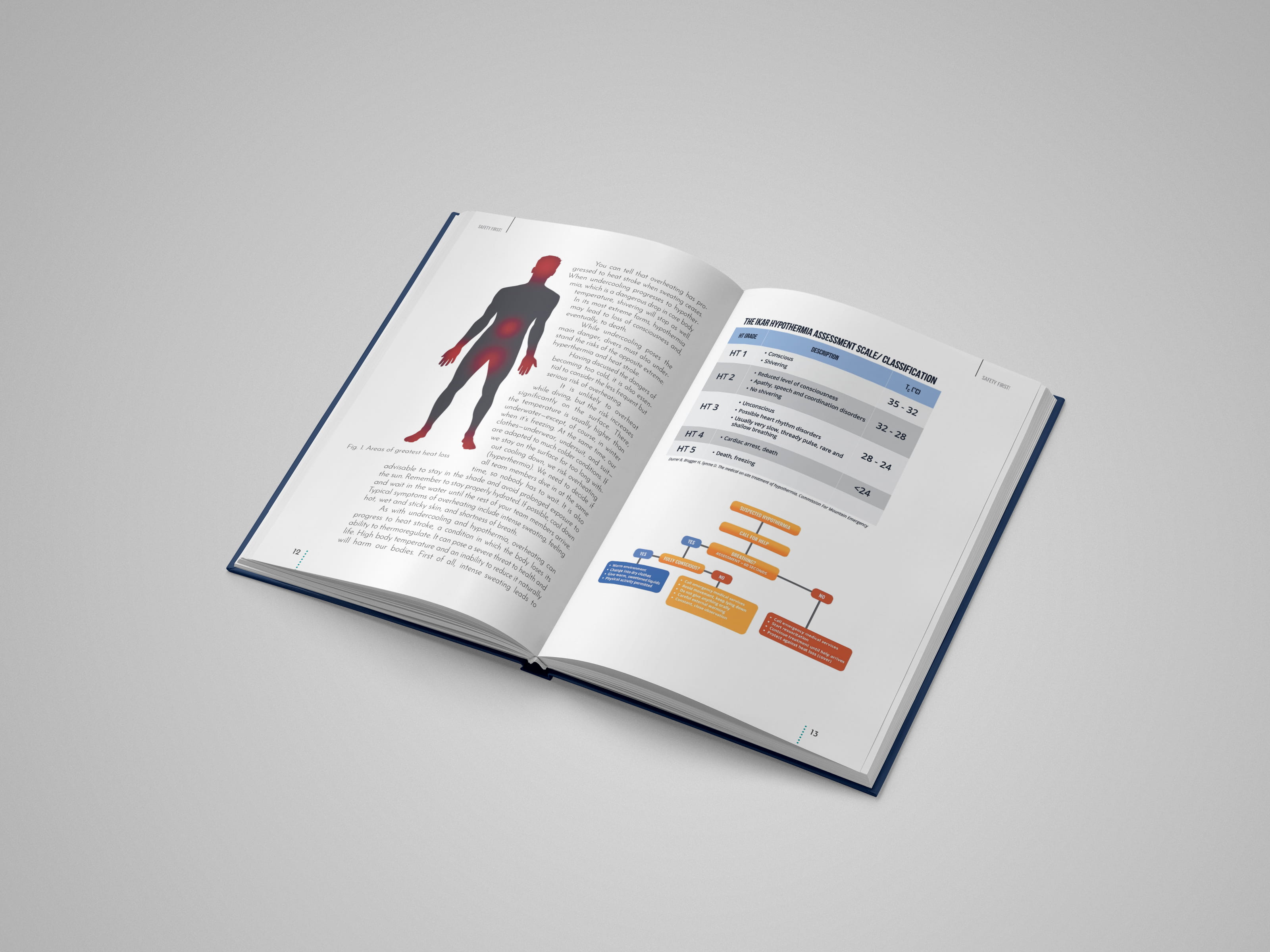
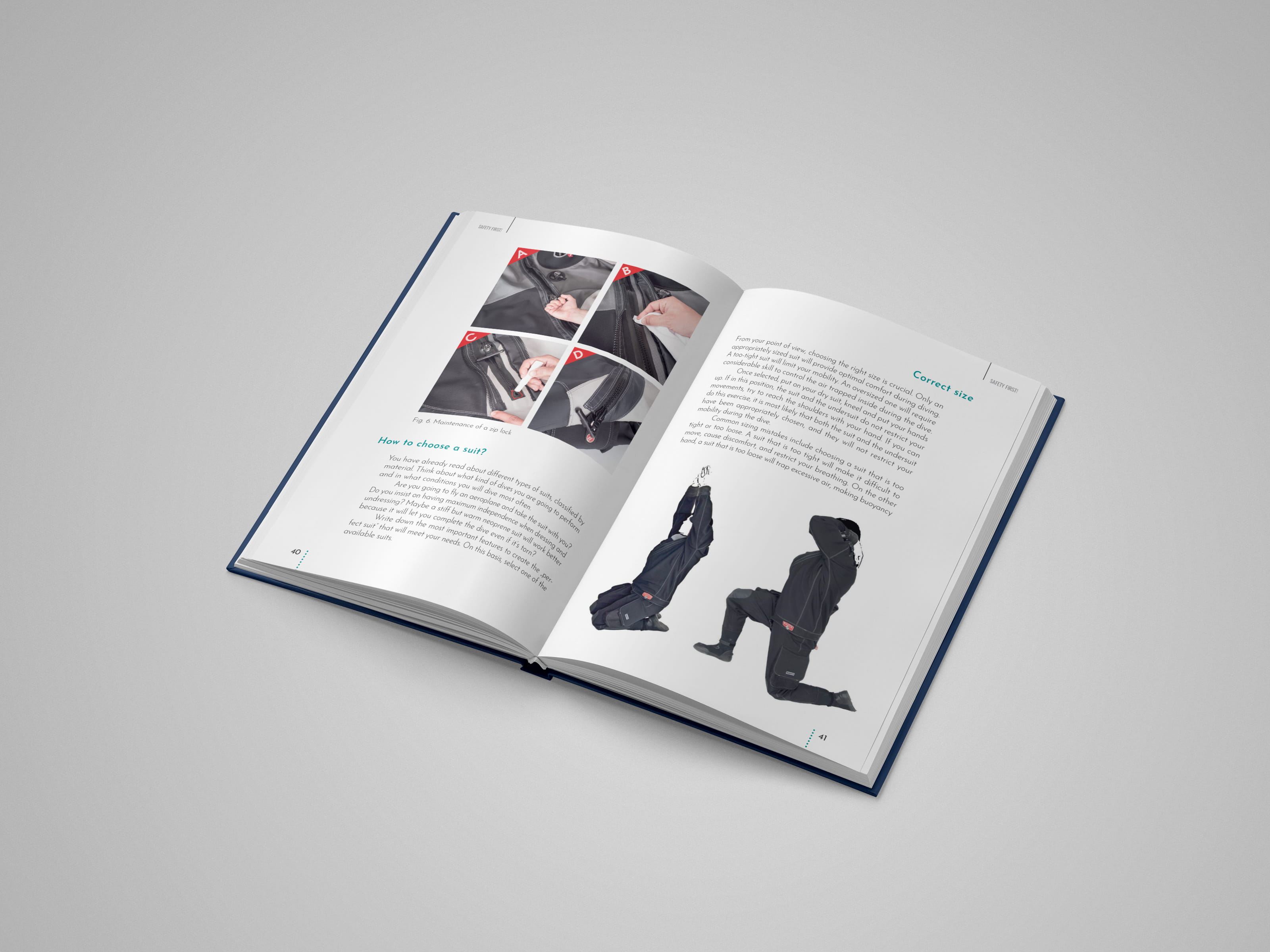
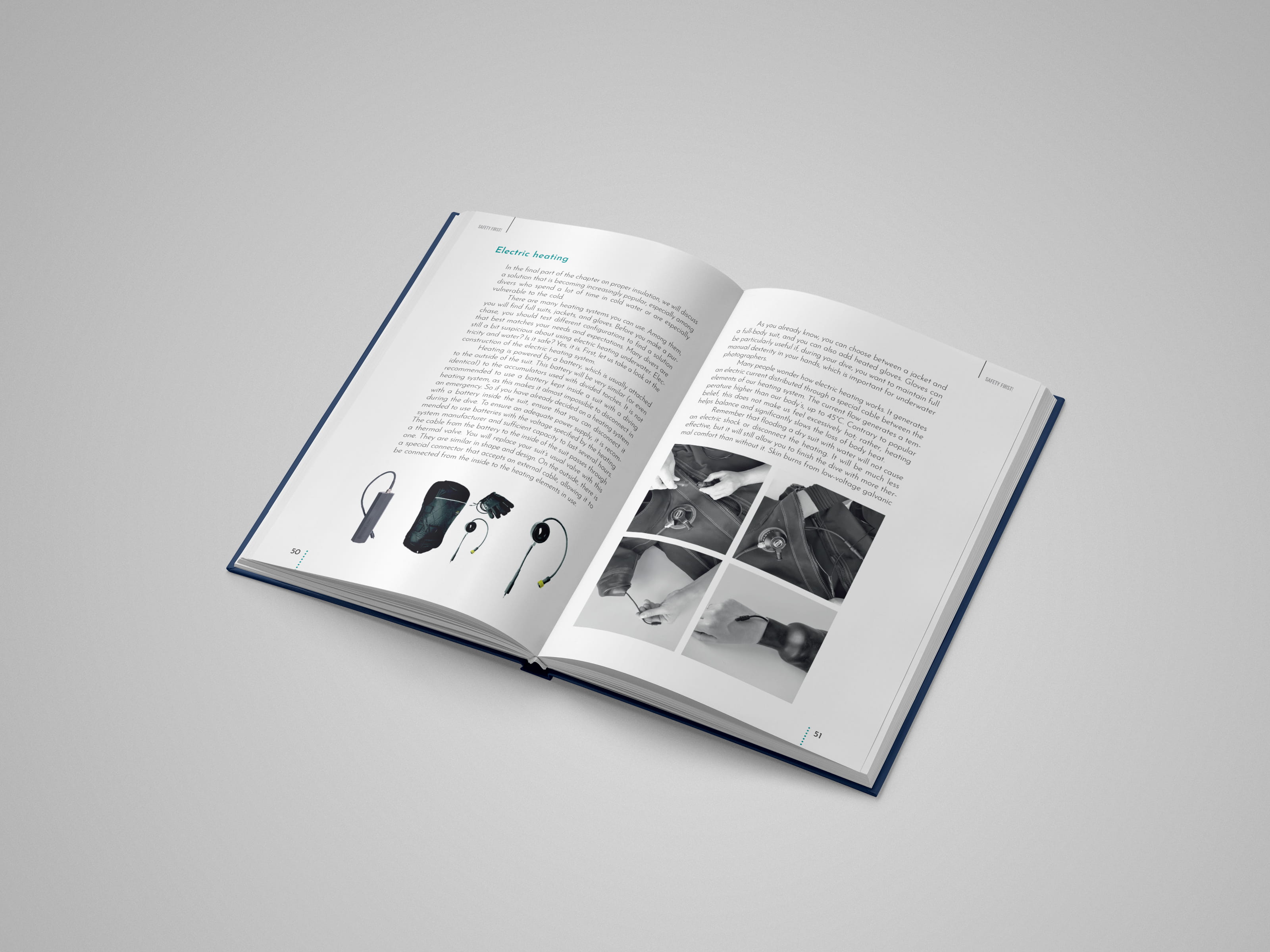
The following chapters discuss dry suit types, fitting, and undersuit selection. They also cover components and the physiological mechanisms of thermoregulation, underscoring the importance of thermal comfort.
The IDF Dry Suit Diver manual also addresses hydration and diuresis. These are vital for diver comfort and health. You will learn techniques that, when practised, prepare you to safely and confidently maximise your dry suit’s advantages.
We wish you successful dives! With this in mind, let us turn our attention to one of the core challenges in dry suit diving: thermoregulation, which is essential for diver safety and comfort.