I’m humbled to write about a little experience I had with IDF and cave diving.
I’m an instructor/course director, teaching up to Advanced Trimix, CCR, and cave. Diving has been on my mind since I was young. There’s nothing else in my life but scuba. Seriously, I’m boring when it comes to talking about anything other than scuba.
If someone needs to describe me: sarcasm in its purest form. I don’t take life too seriously. Same in diving. Being a bit crazy is normal in cave diving, and maybe my Insta name “chicken of the duck” shows you the direction. Yes, I make stupid jokes in bad situations, but I’m fully aware of what’s happening. Even after a disaster, I’m okay covering it with dark humor. But that’s how I try to digest it. If you do serious diving, situations can spin out of control fast, and regaining control is difficult, sometimes even impossible. And that’s definitely not something we want to talk about. Until I met IDF.
In May, I joined Anton for the first IDF camp, and on the first day he talked about panic attacks. Which surprised me! Usually we don’t admit our weaknesses. Especially not in diving. We talk about our crazy achievements, our beautiful units, how deep and how long we can dive, but definitely not about how we experienced a panic attack.
I was… surprised! Because out of all the crazy divers, I’d never heard these kinds of stories: how many mistakes they’d made, how often they failed, and about mistakes that almost killed them. And I don’t mean the stupid bravado, the “I once went to 60m on a single tank of air” kind of story. I mean the real ones, honestly owned.
So what the heck. Why should someone who makes mistakes teach me? Exactly because of that.
I call myself experienced, but not very experienced. I know I need to humble myself and keep learning and improving. Even after years. If you stop, you can be in trouble.
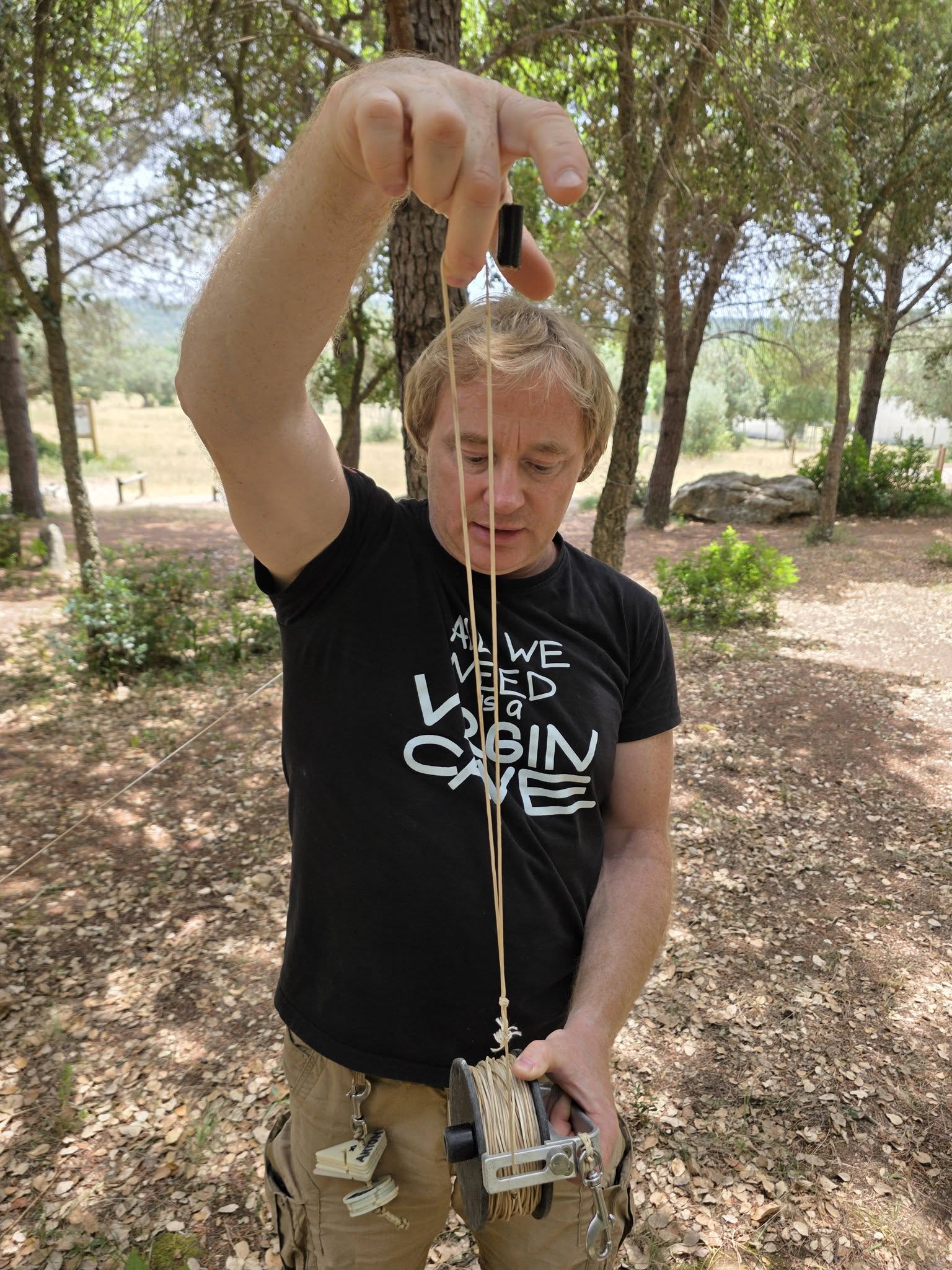
So a guy who has been through horrible situations, mostly caused by Murphy’s law and/or human error, that guy can definitely help others. Stories like “a broken fin strap killed him” sound unbelievable and get heavily criticized. Cave explorers who die get blamed. They’re already dead, and people spend their energy yelling at them for their mistakes. How ridiculously stupid must this diver be, to die because of a broken O-ring!!! What an idiot, forgetting to place his cookie. How dumb can you be, not following the arrow…
Here’s the thing: that reality is mine too.
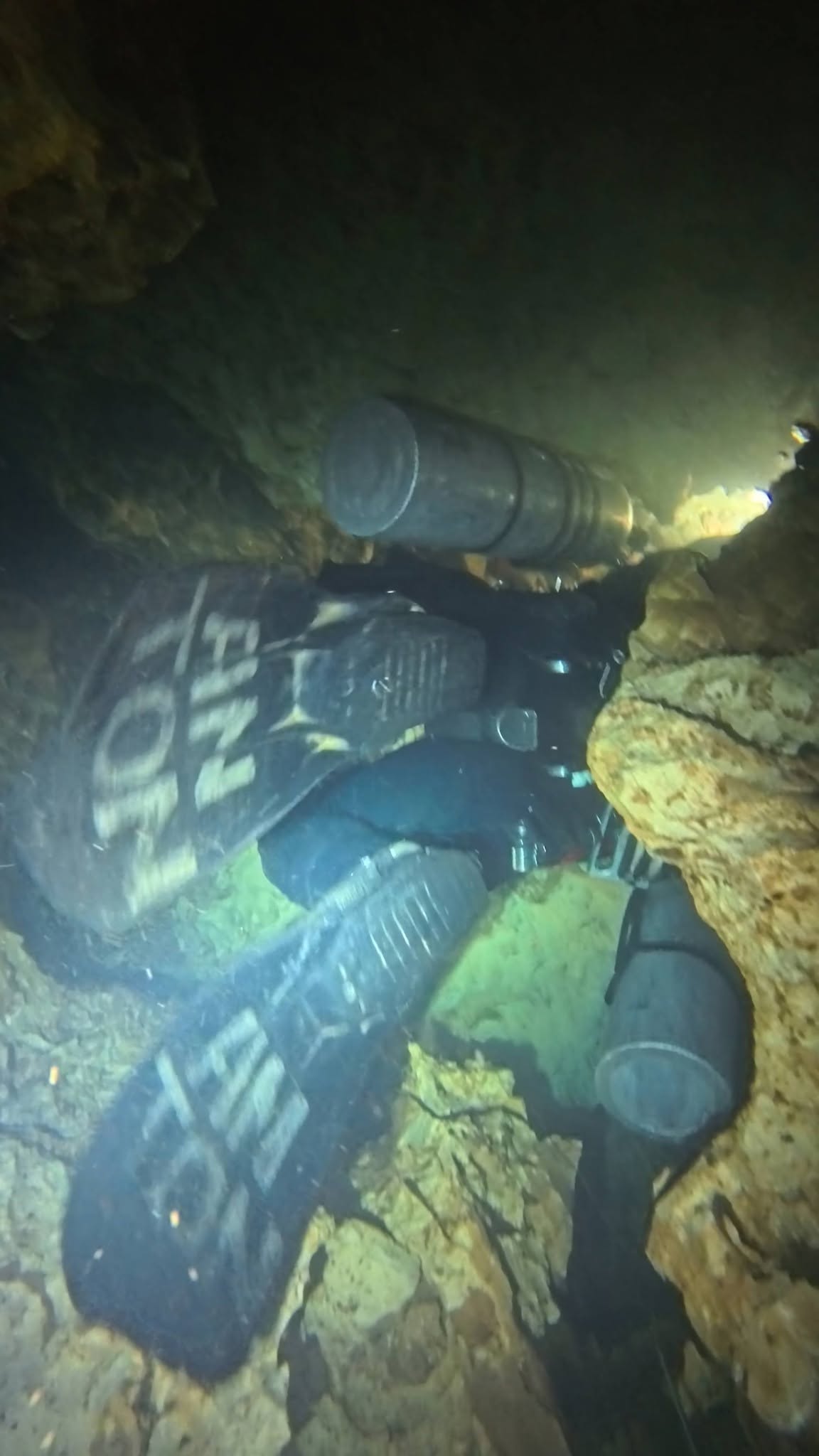
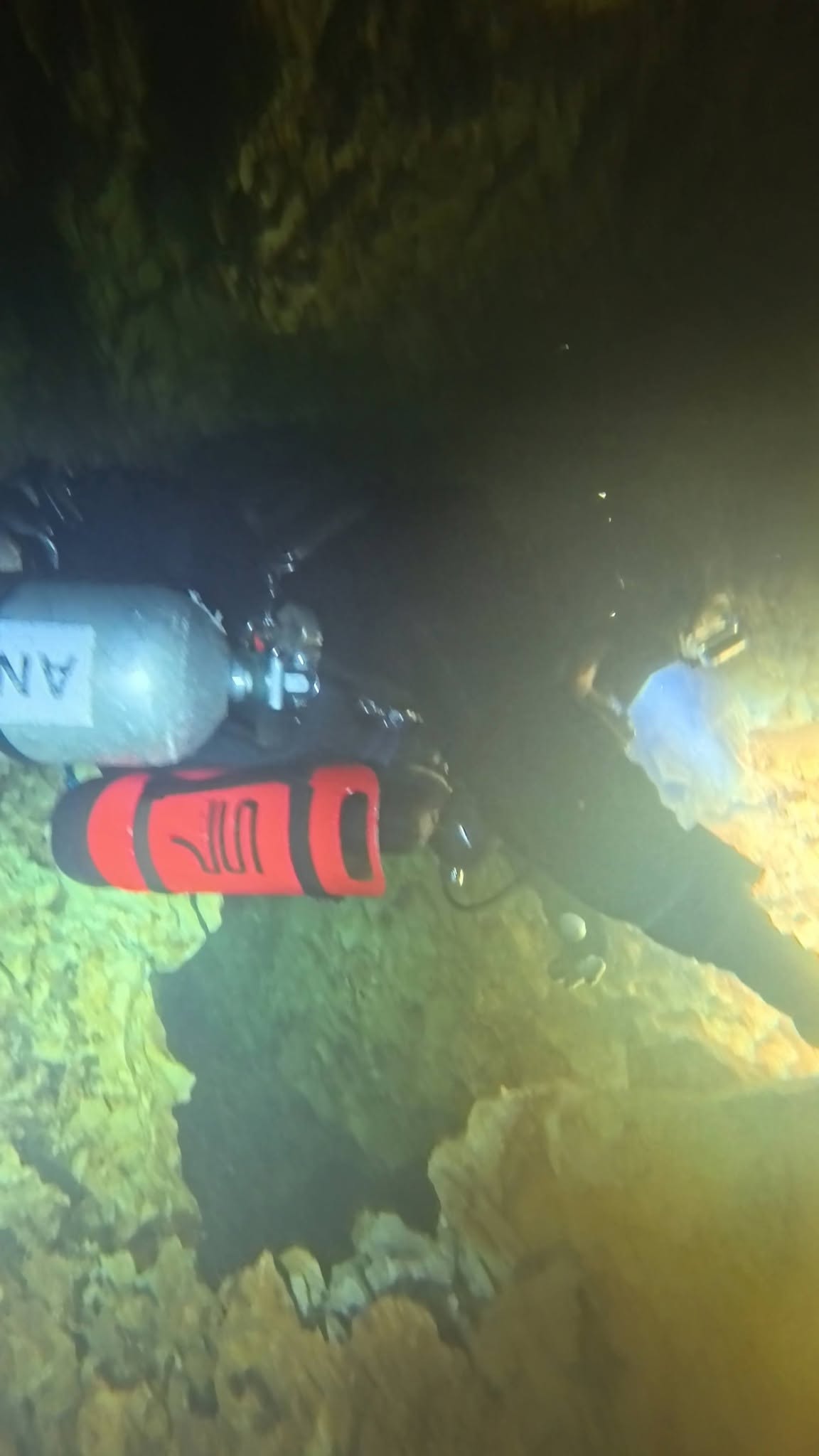
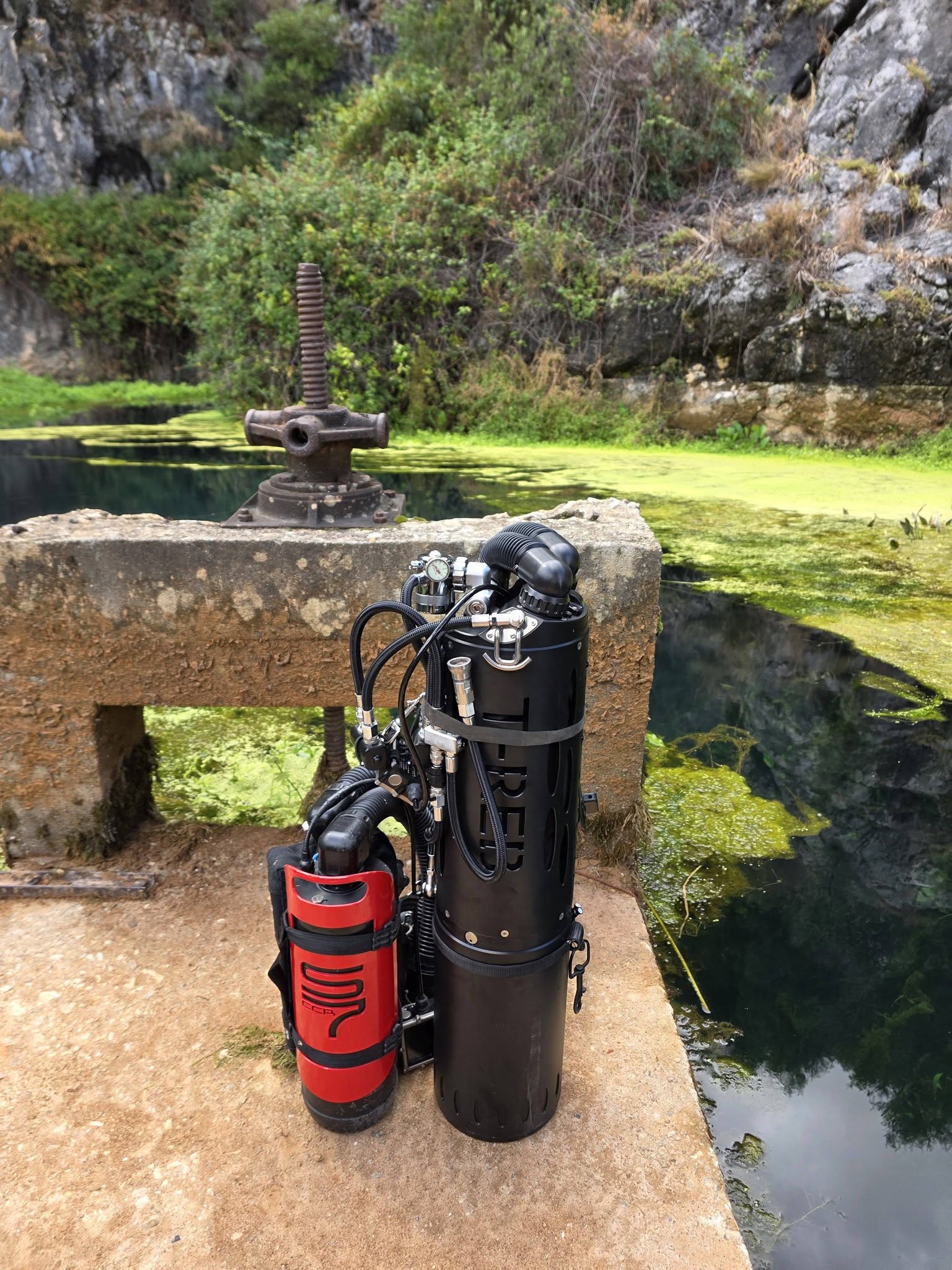
A hose on my diluent/bailout broke and nearly killed me. While I tried to fix it, I drifted off the line and away from the team. Then a CO2 breakthrough hit me like Thor’s hammer. In that moment of pure stress I went for my bailout to breathe, not even realising it was the tank I had just shut down myself, the one with the broken hose. So I reached for my other bailout, and then I was just standing there holding the mouthpiece in my hand, because the zip tie had snapped. The regulator was tangled somewhere and I almost couldn’t find it. The whole thing lasted maybe 8 to 10 seconds, but I was close to giving up, because I couldn’t control my body anymore. And yes, I’m the one who teaches this. Awkward…?
So what would have been the death case here? Because I didn’t die, but I came very close. The hose? The CO2 breakthrough? Issue with the scrubber? Losing the line and breaking team procedure? Me forgetting to sort my second bailout before I shut down the broken one? Or a stupid broken zip tie? The honest answer is that it probably started weeks earlier. And that’s exactly what we do: we analyse.
And real analysis is never the obvious fix, “use better zip ties” or “service your equipment.”
My hose wasn’t even two months old. The zip tie was in perfect shape. The interesting question is why something that shouldn’t fail did, and how one small problem feeds the next. An accident is a brutal cluster of tiny details. You change your process so it can’t happen again, even if the odds of a repeat are 0.1%. That’s not zero, so it matters.