



When I arrived here, I felt like a time traveller. I had gone back to the 1970s. I saw empty shelves and a lack of basic necessities such as bread, drinking water, and medicine. I saw the long queues for everything that I had almost forgotten existed. I exchanged money with “black-market money changers”, and I had arranged to buy a phone card before arriving, which meant our guide saved us a place in the queue and the formalities took only an hour and a half instead of six.
That’s Cuba.
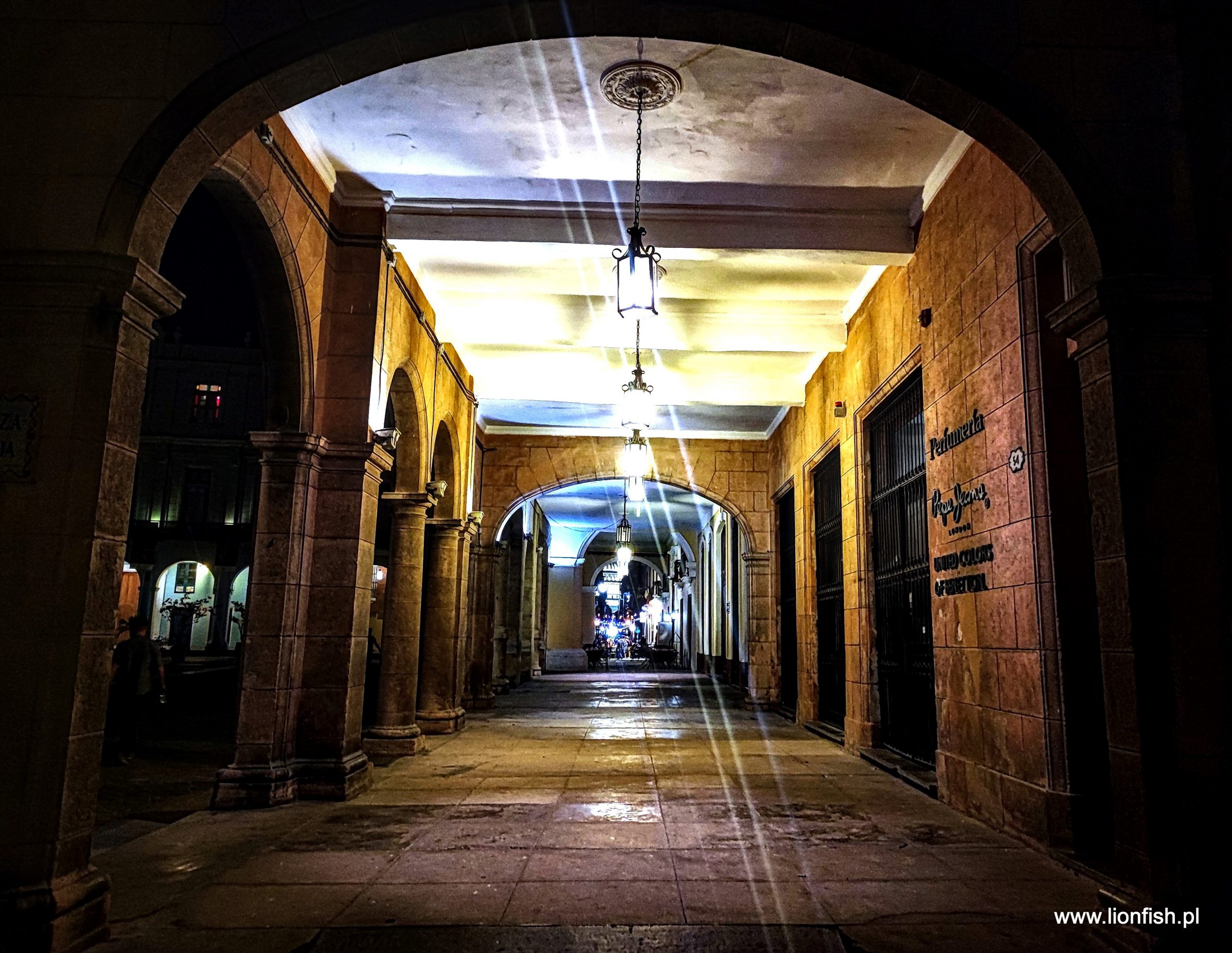
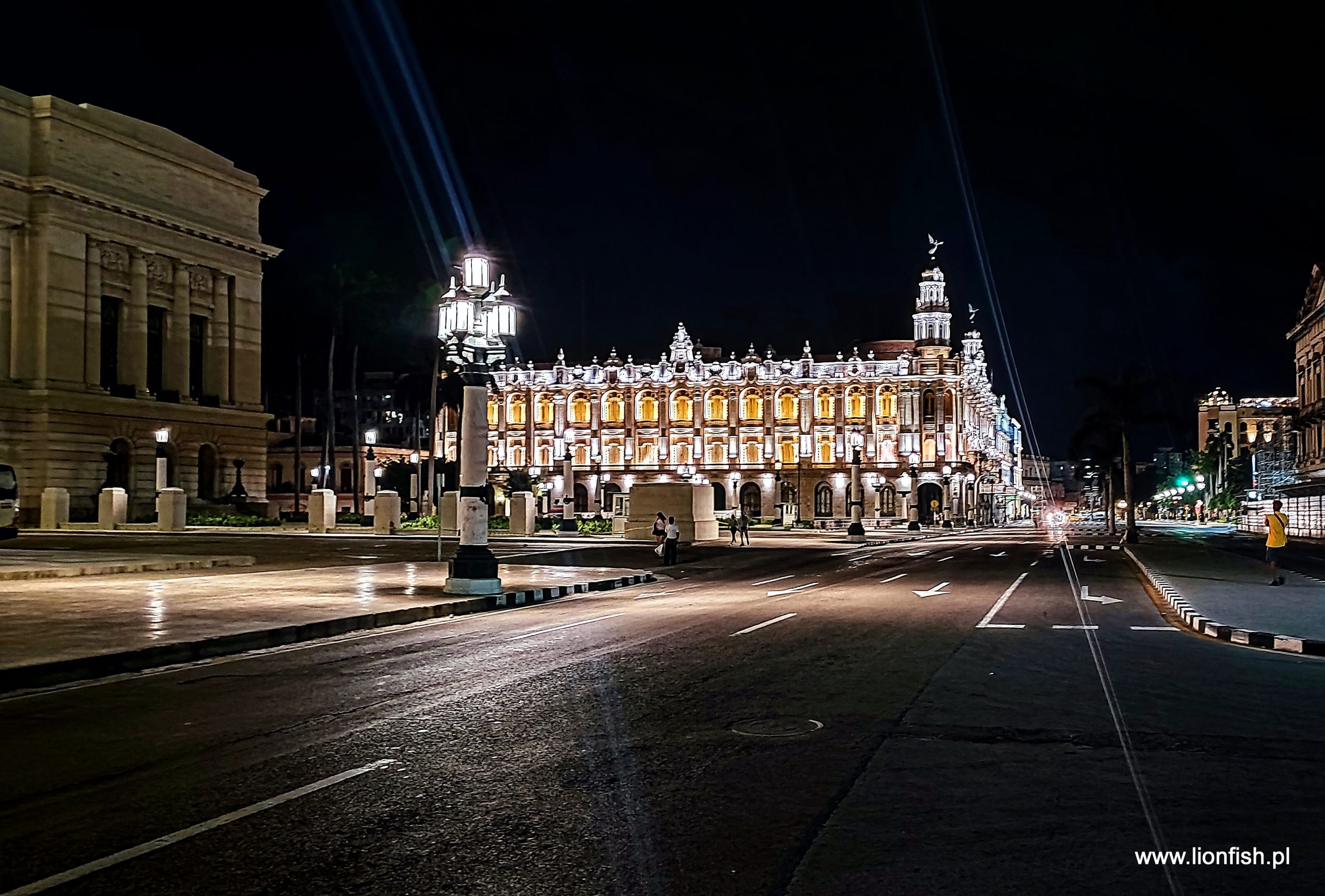
The largest island in the Greater Antilles, with an incredibly rich history. One of the green jewels of the Caribbean, surrounded by blue sea and blessed with sunshine all year round. With its high humidity, Cuba is immersed in lush, vibrant greenery. Originally inhabited by indigenous tribes, it was discovered by Christopher Columbus in 1492 and annexed by Spain from 1511 onwards. After Fidel Castro came to power in 1959, Cuba adopted a communist system. Across the island, you can see the remains of colonial buildings, palaces, and streets. Cuban cities are an example of beautiful decay and the elegant dying of a bygone culture. I can’t help but quote Zorba: “What a beautiful catastrophe!”
La Habana Vieja
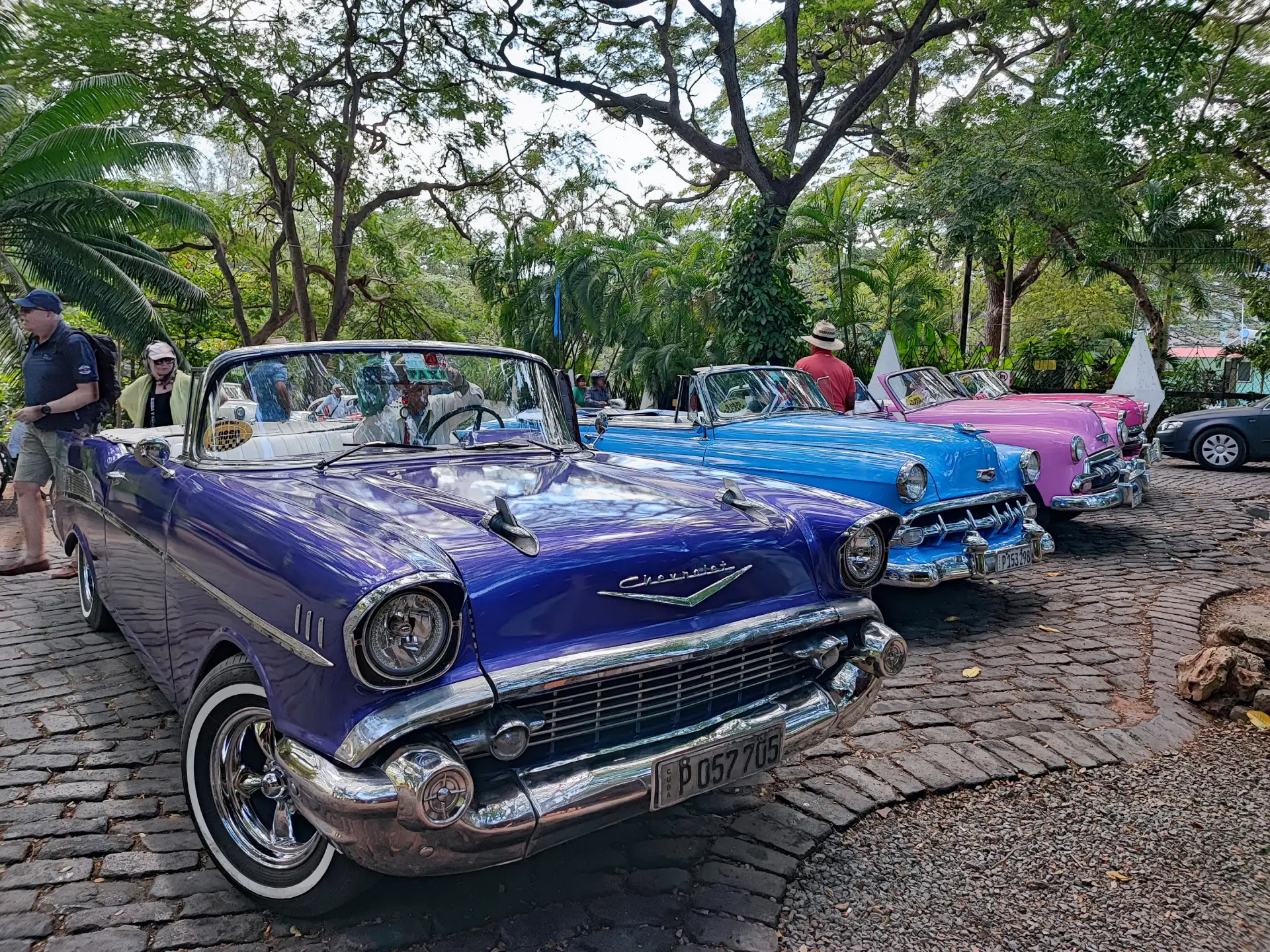
We landed in Havana. A coach took us to the lovely Palacio de los Corredores hotel. Because of the late hour, we had to postpone buying phone cards and rum, as well as exchanging money, until the morning. Instead, we decided to take a short walk. We immediately came across tempting little cafés and musicians wandering among the guests. But what really catches your eye on the streets of Havana are the hundreds of beautiful vintage cars. In other parts of the world, you would only see such examples in automotive museums. Here, they are still driving around as if nothing unusual were happening, serving Cubans as everyday means of transport.
The next morning, after breakfast, we set off to take care of the necessary formalities. It is worth remembering that in shops selling things like alcohol and cigars, payment is usually expected in dollars or euros. Cuban pesos are accepted reluctantly, often accompanied by a shake of the head. This is worth keeping in mind when exchanging money.Another thing worth knowing is that you can get a much better exchange rate from a black-market money changer on the street than at official exchange offices, so it is not worth exchanging all your money immediately at the airport.


Finca la Vigia – posiadłość Hemingwaya
Hemingway lived there from 1939 to 1960. This was where he worked on For Whom the Bell Tolls and The Old Man and the Sea, which was awarded the Pulitzer Prize in 1951. Today, the estate houses a museum dedicated to the writer.


Unfortunately, we were not allowed inside the house to soak up its atmosphere, read the titles of the books lined up on the shelves, take a look at Hemingway’s notes on the bathroom wall, or see the paintings and sculptures up close.What a shame. It certainly is a house with a soul.
Trynidad
One of the oldest cities in Cuba, founded in the 18th century, Trinidad is characterised by low, single-storey buildings. Small, brightly painted houses with tiled roofs form long, continuous rows along cobbled streets. These houses date back to the time when the city was the main centre of sugar trading in the New World. Residents are not allowed to make changes to the appearance or interiors of their homes. The only renovation they are permitted to carry out is repainting the façades. And so they paint them with true Cuban imagination, in every colour of the rainbow.


The appearance of the houses, squares, and avenues brings the 18th century to mind, while the bands playing in the squares beneath huge, centuries-old acacia trees immediately evoke the first half of the 20th century. Local artists and craftspeople sit on high kerbs, displaying their work for sale directly on the street or on the grass. Vendors stroll through the narrow streets carrying braids of garlic, onions, peppers, and herbs. Here, history walks through the streets, inviting passers-by to dance.

In the evening, the whole group heads to Casa de la Trova to dance and listen to beautiful Cuban music performed live. Salsa, rumba, and cha-cha make it impossible to remain seated at the table. Another curiosity is the age of the most active dancers in the club. The dance floor is dominated by men and women whom we estimated to be somewhere between 70 and 80 years old. Colourful dresses, bright shirts, waistcoats, and elegant hats are everywhere.
Playa Girón and the Bay of Pigs
Playa Girón was named after the French pirate Gilbert Giron. It is located in the Bay of Pigs, within one of the largest wetland areas in the world, Ciénaga de Zapata, on Cuba’s southern coast. Playa Girón is also the site of Fidel Castro’s forces’ final victory over the 72-hour-long, CIA-backed invasion by Cuban exiles in 1961.

We pack our equipment into the car and head for the sea, where we plan to make two dives at a site called El Tanke. We enter the water from the shore and descend into unbelievably turquoise-blue water. The temperature reaches 28°C, visibility is excellent, and the bottom is covered with brilliant white sand. As far as the eye can see, colourful clusters of corals and sponges cover the seabed.


The reef is different from those in Egypt. It is less abundant, but the colours are brighter and more saturated. The corals and sponges grow to enormous sizes. Some of the sponges are large enough for an adult human to swim into. The reefs around Cuba are also home to some very rare black corals. The variety of shapes and colours is astonishing. The reef walls are cut by numerous gullies, tunnels, and caverns. In this underwater fairy garden, however, we encounter relatively few fish. There are also some impressive crabs and lobsters, while tiny shrimp hide among the corals. Most of Cuba’s coastline remains undeveloped. The lack of industrialisation and development in these areas has resulted in beautiful, largely untouched reefs. There are generally no currents, and visibility is fantastic. This is an excellent place for both beginners and experienced divers, as well as underwater photographers.


The Czechoslovak Cave of Ilona
A group of cave divers from Czechoslovakia began exploring Cuban caves in the 1960s. Most of the caves known locally as “casimbas” require cave-diving skills and certification. During our stay, we visit two of these sites. The first is Casimba Ilona, named after the wife of one of the Czech explorers.
We arrive at a place where, on one side of the parking area, the blue sea stretches out before us, while on the other side an impenetrable tropical forest begins. A comfortable gravel path leads to the small lake from which we enter the cave. We assemble our equipment and jump into the water. Just as in the Mexican cenotes, a halocline can be observed here at around 10 metres. The water temperature reaches 28°C. At around 20 metres, fantastical clouds of suspended hydrogen sulphide begin to appear. Green vines hang from the walls and boulders, while the surrounding rocks are covered with algae resembling moss. It looks like an enchanted forest. At a depth of around 25–30 metres, the entrance to a tunnel opens up. We swim single file into a narrow, black passage. The tunnel walls rise high above us, while the cave ceiling is at a depth of 39 metres. Beneath us lies a light, sandy bottom. At its deepest point, the cave reaches 115 metres.


A guideline runs from the entrance, leading us deeper into the cave. In complete darkness, the only bright points are the beams of our torches. We follow the dark, majestic tunnel with its black walls until we reach a wider chamber where we can turn around. The entire tunnel is 450 metres long and ends at another pool called Casimba Dagmar. As we approach the exit, the tunnel gradually fills with beautiful blue-green light filtering down from the surface. It is a perfect moment to take a few photographs.
Casimba del 35 aniversario de la sociedad espeleologica de Cuba
This time, our destination is a cave with the rather grand name of Casimba del 35 Aniversario de la Sociedad Espeleológica de Cuba. The cave has been explored to a depth of 70 metres and was provisionally named “The Road to Hell” by the explorers. The coach stops on the side of the road. There is no parking area, no facilities, nothing — not even a proper shoulder. There is only a narrow path leading into the jungle. We unload the equipment and set off on a fairly long walk through the dense vegetation. From the outside, the cave looks similar to a Mexican cenote. The area is completely wild, so we have to be careful where we put our feet. There is not a single level patch of ground; everything is covered with sharp rocks and tangled with huge tree roots.


I descend into the warm, crystal-clear water and am immediately amazed! Sunlight illuminating the basin creates beautiful fans of light that break into colourful rainbows across the rocky walls covered in dense vegetation. The halocline sits at a depth of around 8 metres. Two tunnels lead away from the basin. We start by taking the one on the right. The walls, much like those in the previous cave, are dark, with brown formations visible here and there. There is nothing like the abundance of stalactites and stalagmites found in the cenotes. The guideline leads us deeper into this beautiful, dark cave. After about ten minutes of relaxed swimming, we reach a point partially blocked by an enormous rock wall. Here, the guideline comes to an end, and the cave itself ends in solid rock a dozen or so metres further on. Well, all we can do is sigh and politely return the way we came. We swim back to the basin and, after a moment, enter the tunnel on the other side. This passage is wider and richer in cave formations. The entire wall on my right is covered with light- and dark-brown formations. It looks as though water has slowly flowed down the cave wall for countless centuries, sculpting the rock and creating incredible patterns. From here, it is possible to continue deeper into the cave. This is where the “steps to hell” begin. We return to the basin and slowly begin our ascent, following the rules of safe diving.


Bay of Pigs – Mar
The Mar reef impresses us with its wealth of shapes and colours. We reach a small wreck lying at 25 metres and then turn back towards shallower water. The wrecks lying on the bottom of the Bay of Pigs are probably vessels that took part in the famous 1961 invasion. Diving in the sea here is very easy and welcoming, even for beginners. The reefs are no more than 100 metres from the shore, there are no currents, and visibility is excellent all year round. The coral reef is cut by numerous channels, gullies, and small caverns, covered with huge hard and soft corals, as well as massive sponges, including tube sponges, vase sponges, and red tree sponges.


Bay of Pigs – Punta Perdiz
This time, we travel to a place called Punta Perdiz, where we make a dive to a depth of 25 metres. We see another wreck from the Bay of Pigs invasion. The guides should tell divers about its history during the briefing. That would make seeing the wreck a much more interesting experience. Instead, I get the impression that the staff at the diving centres work like everyone else here — they have a secure job, fixed working hours, and a minimum amount of work they have to complete. There is really nothing specific to complain about, but there is not the slightest hint of personal enthusiasm or involvement. That is often what happens when you can only work in a state-owned job for a fixed monthly salary that is rarely particularly exciting. What a shame.


Boca de la laguna del tesero
During our stay in Playa Girón, we take advantage of being in Ciénaga de Zapata, one of the largest wetland areas in Central America, and travel to Boca de la Laguna del Tesero National Park. We travel by motorboat across the vast wetlands. The area is home to 175 species of birds and more than 30 species of reptiles. You can spot crocodiles, turtles, snakes and lizards, pelicans, parrots, herons, woodpeckers, vultures, eagles, and flamingos. Plant lovers can find as many as 900 endemic species here.

We interrupt this wonderful trip into nature with a stop on one of the islands in the Guamá region, located on Cuba’s largest lake, Laguna del Tesero. The entire island is a memorial museum commemorating the destruction of the Taíno people during the Spanish conquest in the 15th century. It is a beautiful and sad place.


Viñales
The Valle de Viñales is an excellent place for growing tobacco. The traditional methods used to produce Cuba’s famous cigars, combined with the breathtaking landscape of the mogotes, make Viñales perhaps the most picturesque stop on our journey.
At 6:30 in the morning, I step out onto the terrace and literally sit down in amazement. The rising sun bathes the distant, forest-covered peaks of the mogotes in a golden-pink glow. In the valley surrounded by hills, mist rises above a pale-pink lake. Roofs covered with red tiles, towers, churches, and the crowns of the tallest trees emerge from the haze. Dark silhouettes of birds circle overhead. It is like a fairy tale!

Gruba Mańka

María la Gorda, or “Fat Maria” (Gruba Mańka), owes its name to a woman who, according to local stories, looked after a pirate hideout here, ran a tavern, and treated the pirates’ wounds. After her death, the pirates buried her body together with the treasure from their raids. To this day, nobody has found María’s grave. The resort is located on the westernmost coast of the island, surrounded by wilderness untouched by civilisation and right next to a beautiful white-sand beach.


The resort itself is not particularly impressive, but it is an oasis of peace, protected on one side by wild jungle and on the other by the Caribbean Sea and the Gulf of Mexico, in one of the most beautiful places in the world. The small dive centre, reasonably well equipped by Cuban standards, offers daily trips to nearby reefs aboard a comfortable boat adapted for divers. We spend two days diving on the local coral reefs, one of the most protected areas in Cuba. We explore coral formations and reef walls cut by numerous cracks, canyons, and caves. The reefs are home to many species of corals and sponges, among which thousands of reef fish swim, along with barracuda, jacks, snappers, and rays. You can also encounter reef sharks, whitetip and nurse sharks, shy little eels, green moray eels, huge crabs, delicate shrimp, turtles, and colourful lobsters. Another interesting feature is the presence of colonies of very rare black corals.


After diving, we walk along the wild, unguarded beach with its snow-white sand. The beach is scattered with beautiful shells washed ashore by the waves, including giant conch shells, fragile sea urchin tests, starfish, and countless pieces of coral reef. Among these marine treasures lie coconuts and enormous dried leaves from the palm trees growing along the beach. You might feel tempted to collect some beautiful specimens, but it is important to remember that transporting coral reef and certain shells across the European Union border is prohibited and can result in a substantial fine. With a sigh, we leave the beautiful, colourful shells behind for the little crabs hiding inside them.
That’s Cuba.
This post is an abridged version of the full report available on www.lionfish.pl. We encourage you to read the complete article.
About the author:

Anna Paszta — trained as a Pharmaceutical Process Technologist, working professionally in sales, and a diver and traveller by passion. She has been diving since 2011, and for the past 10 years, as a diving professional, she has been inspiring successive generations of people fascinated by the underwater world.
She initially worked at dive centres as a divemaster and instructor. In 2015, together with her husband, she founded her own dive school, “Lionfish“, in Pruszków near Warsaw.
Since then, she has successfully conducted hundreds of diving courses and travelled with her students to many fascinating destinations around the world. Her greatest achievements are in entry-level diver training, while her particular passion is working with young divers.
Photos: Anna Paszta, Anna Myśkiewicz, Sebastian Dobrowolski
